Tuning fork in use - this is part of the Neurological Assessment.
Diabetic Foot Assessment.
Managing diabetes involves more than just monitoring blood sugar levels. One critical aspect often overlooked is the health of your feet. At Foot Faults, we specialise in comprehensive diabetic foot assessments to ensure the well-being of our diabetic patients.
Diabetes can lead to serious foot complications, including neuropathy (nerve damage), poor circulation, and infections. These conditions increase the risk of foot ulcers and, in severe cases, amputation. Regular foot assessments help in early detection and prevention of these complications.
For diabetic patients, regular foot assessments are vital. We recommend at least an annual visit, though more frequent visits may be necessary based on your individual risk factors and health status. Early detection of issues allows for prompt intervention, reducing the risk of severe complications.
FAQs
-
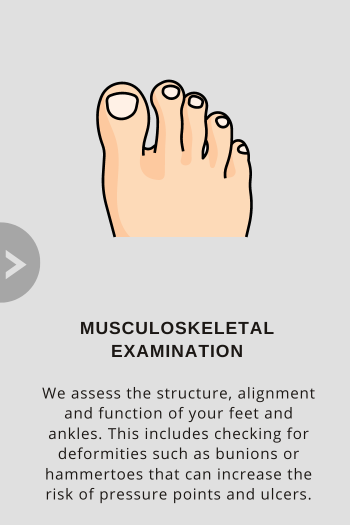
A diabetic foot check is a thorough assessment by a podiatrist to evaluate the health of your feet, including skin inspection, nerve function tests, circulation assessment, and footwear evaluation.
-
They help detect and prevent complications like neuropathy, poor circulation, infections, and foot ulcers, reducing the risk of severe issues such as amputations.
-
At least once a year, or more frequently if you have a history of foot problems or high-risk factors.
-
Contact your podiatrist immediately if you notice cuts, sores, redness, swelling, or changes in sensation.
-
Regular foot checks, proper care, and effective diabetes management can significantly reduce the risk of complications.
-
This appointment is eligible for Private Health Fund Rebates. Your rebate amount depends on your level of cover.
Foot Faults is a Preferred Provider for Medibank, Bupa and HCF, which means members enjoy bigger rebates +/- discounted fees on their appointments and services.
-
Most Podiatry appointments are not eligible for Medicare rebates.
If you have an eligible Medicare Referral, it can be used as a part payment.
-
A GP referral is not required for Podiatry appointments.
If you think you may be eligible for a GP Chronic Disease Referral, please visit your GP prior to your appointment.
Education and Preventive Care:
Education is a key component of diabetic foot care. We provide guidance on daily foot care routines, recognizing early signs of complications, and tips for maintaining healthy feet.
What to expect, at your first Diabetic Foot Assessment.